


2026 Museum Guide
Pick a Territory
Las Vegas
Downtown Las Vegas
Henderson
Boulder City
Primm–Jean–Goodsprings
Moapa Valley
Mesquite
Laughlin
Territory Tips
- Purchase joint admission vouchers or multi-site museum passes online to reduce total admission costs across high-volume downtown cultural repositories.
- Secure separate commercial permits before utilizing professional DSLR cameras, standalone lighting rigs, or heavy tracking tripods at outdoor signage yards and public art installations.
- Carry essential environmental supplies including high-SPF sunblock, insulated water flasks, and protective lip balm to counter continuous exposure to dry desert winds.
- Verify operational operating schedules before departing for remote rural museum facilities, as hours vary significantly between urban and outlying territories.
Las Vegas Museum Guide
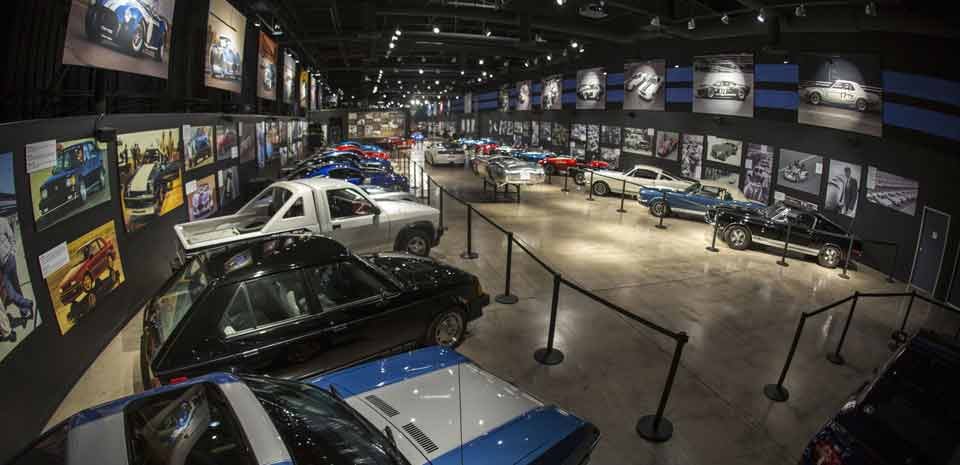
Shelby Heritage Center
A corporate vehicle archive and active production facility tracking the manufacturing history of high-performance American muscle cars. The center houses a rotating inventory of over 30 classic and modern vehicles, utilizing a large structural glass wall to separate the display hall from the functional workshop floor.
Best for automotive enthusiasts and design hobbyists.
Planning Notes:
- Museum visitors can observe active assembly mechanics working on current production chassis through the main viewing partitions.
- Schedule arrivals for 10:30 AM or 1:30 PM to coordinate with structured technical tours.
- The facility operates as a 100% climate-controlled indoor space to mitigate midday desert heat.
- ADA Information: The indoor facility features level, polished concrete floors and wide transit corridors suitable for standard mobility devices.
Las Vegas Paiute Tribal Colony
The sovereign administrative and governmental headquarters situated within the historic Las Vegas Paiute Tribal Colony block. The facility contains a dedicated indoor archive area and public lobby displays safeguarding historical physical records, material artifacts, and treaty documents outlining the multi-generational history of the Nuwuvi (Southern Paiute) people.
Best for political history researchers and cultural travelers.
Planning Notes:
- Public entry is restricted to the main administrative lobby and designated exhibition corridors during standard weekday business hours.
- Combine the visit with a stop at the adjacent tribal smoke shop, which operates as a sovereign commercial anchor for the colony.
- The facility sits inside an active, populated residential tribal enclave; maintain strict respect for community privacy barriers.
- ADA Information: The administration building is configured with level concrete aprons, automatic entry doors, and wide indoor hallways suitable for all mobility devices.
Old Las Vegas Mormon Fort
A historic state park preserving the physical remnants of the first permanent non-native structural settlement in the valley, erected in 1855. The outdoor site retains a standing mud-brick section of the original adobe fort alongside a reconstructed surface creek network modeled after the historic desert oasis lifeline.
Best for history buffs and wilderness travelers.
Planning Notes:
- The 19th-century adobe walls possess significant thermal mass, lowering ambient indoor room temperatures relative to the outdoor air.
- Paved paths link the visitor center to the fort compound, transitioning to unpaved dirt lanes near the agricultural displays.
- Sun exposure is constant across the open courtyard; protective hats and hydration are required.
- ADA Information: The main visitor center and fort rooms feature level-entry concrete aprons; exterior dirt paths may become uneven during windstorms.
Downtown Las Vegas Museum Guide
The Punk Rock Museum
A 12,000-square-foot museum near the Arts District, The Punk Rock Museum was founded by Fat Mike of the band NOFX alongside a collective of punk musicians and industry professionals. The collection includes more than 1,000 donated artifacts spanning five decades of punk history, including instruments, stage-worn clothing, handwritten lyrics, and gig flyers. The museum’s galleries trace the history of punk through extensive displays, while the Jam Room lets visitors plug into amps and play guitars once used by bands like Rise Against and Pennywise. The museum also features rotating exhibits, an on-site tattoo parlor, and a punk-themed wedding chapel. Guided tours are led by musicians who lived the scene firsthand, including members of bands like The Vandals and Less Than Jake.
Best for punk rock fans and live music historians.
Planning Notes:
- Discount admission for Nevada residents and military members.
- On-site parking is limited; rideshare pickup and drop-off happens directly in the lot.
- Guided tour schedules and the musicians leading them change regularly and are worth checking in advance.
- The main floor covers most of the collection, so a shorter visit is possible for anyone unable to reach the second level.
- ADA Information: Two ADA restrooms sit on the ground floor and one gender-neutral ADA restroom is on the second; there is no elevator between the two levels, but a stair lift is available for access to the second floor.
The Mob Museum
A national historical and educational repository housed within a restored 1933 Neoclassical federal courthouse and post office building. Multi-tier exhibitions document the historical conflicts between organized crime networks and federal law enforcement agencies, incorporating authentic material artifacts such as the reassembled brick wall from the St. Valentine’s Day Massacre.
Best for true crime enthusiasts and political history researchers.
Planning Notes:
- Complete self-guided tours require a minimum three-hour tracking window to traverse all four floor levels.
- The basement level houses a retrofitted, functional prohibition-era distillation display and speakeasy counter.
- Accessing the basement room requires cross-checking weekly digital access codes managed via official museum distribution nodes.
- ADA Information: The historic facility is equipped with modern passenger elevators, flush threshold ramps, and accessible public restroom blocks on all levels.
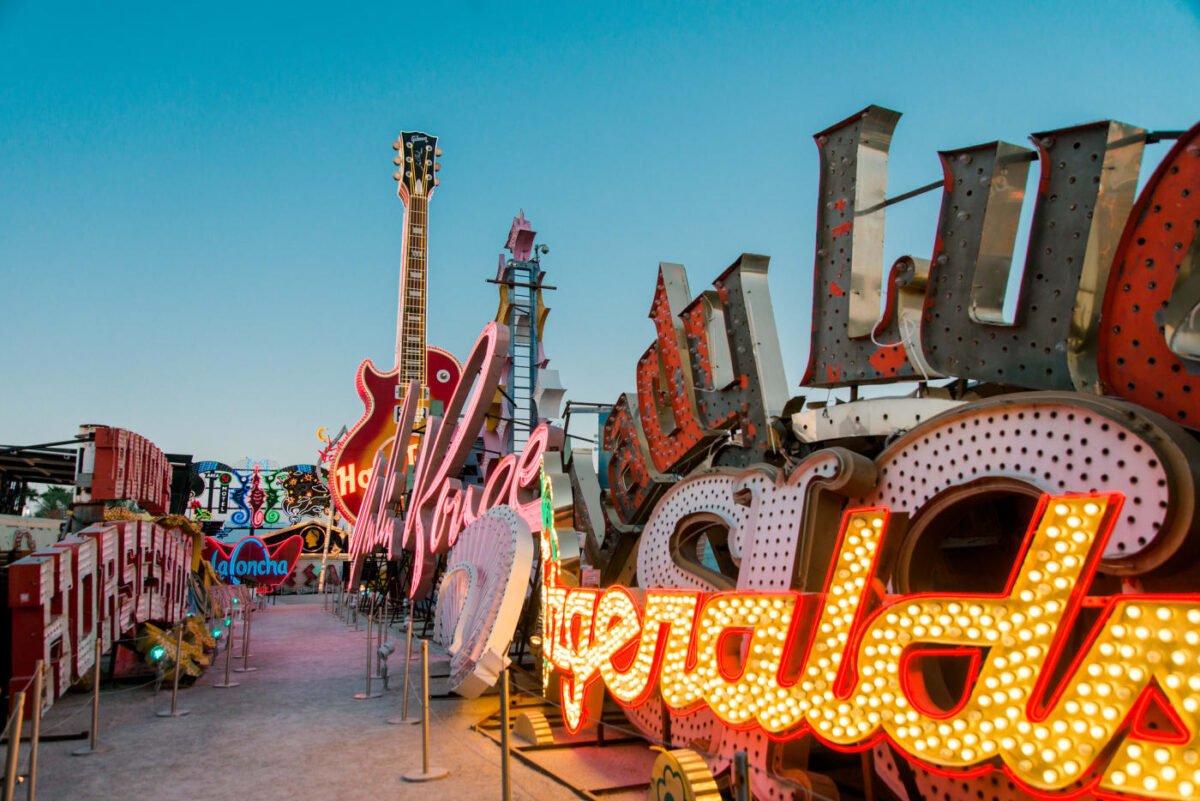
The Neon Museum
- The main boneyard lot utilizes an unshaded open-air configuration; evening visits avoid peak solar radiation.
- The separate North Gallery uses high-definition projection mapping to reanimate unlit vintage sign frames without active electrical wiring.
- Commercial tripod equipment and professional DSLR bodies require separate, advanced permit documentation.
- ADA Information: The primary walking corridors consist of flat, hard-packed decomposed granite gravel that supports standard mobility clearances.
NuWu Art Gallery + Community Center
An Indigenous-owned and operated cultural center and exhibition gallery situated along the Maryland Parkway corridor. The single-story facility features rotating gallery spaces displaying authentic contemporary and traditional fine art produced exclusively by regional Native American artisans.
Best for art collectors and cultural travelers.
Planning Notes:
- Review the online gallery schedule to coordinate visits with live artisan workshops and regional community panel discussions.
- Street parking spaces are metered and require app-based digital payments along the main parkway.
- The indoor space features a dedicated retail section where visitors can buy authentic, small-batch Indigenous craft works.
- ADA Information: The facility features a flat concrete entry threshold and level interior flooring throughout the main display room.
Henderson Museum Guide
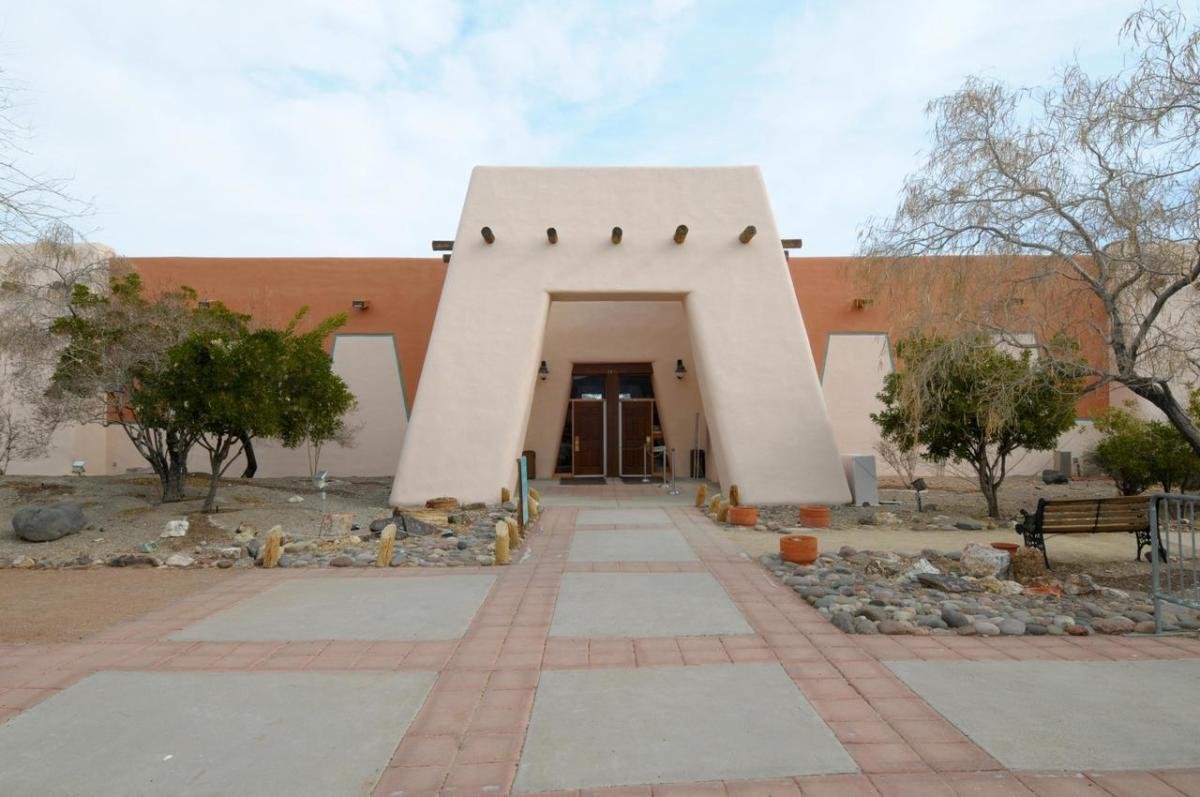
Clark County Museum
A 30-acre outdoor heritage complex featuring a centralized residential corridor known as Heritage Street. The museum assembles a chronological series of relocated structural residences, moving from a 1910 pioneer timber house to a mid-century atomic-era home equipped with period-accurate internal material artifacts.
Best for families and historical photographers.
Planning Notes:
- Arrive at the 9:00 AM opening window to navigate the extensive outdoor residential lane before peak afternoon temperatures.
- The outlying mining exhibit zone features original heavy drilling equipment and unpaved gravel paths.
- Indoor gallery spaces provide climate-controlled cooling breaks between residential structures.
- ADA Information: The main exhibition building and primary sidewalks are paved and level; however, access into individual historic homes involves narrow entry thresholds and raised structural door steps.
Boulder City Museum Guide
Boulder City Hoover Dam Museum
A historical archive situated within the interior footprint of the historic 1930s Boulder Dam Hotel structure. Exhibits focus on the physical living parameters of regional construction workers within the New Deal tent colonies of Ragtown and document early federal planning controls over the local municipal grid.
Best for lifelong learners and social historians.
Planning Notes:
- The archival galleries feature original oral history playbacks containing recorded accounts from high-scaler dam crews.
- Museum visits can be combined with self-guided architectural walks through the surrounding non-gaming historic district.
- Street parking spaces are unmetered throughout the immediate municipal block.
- ADA Information: The museum uses level-surface gallery transitions located on the first floor of the hotel property, featuring wide doorways and flat carpet surfaces.
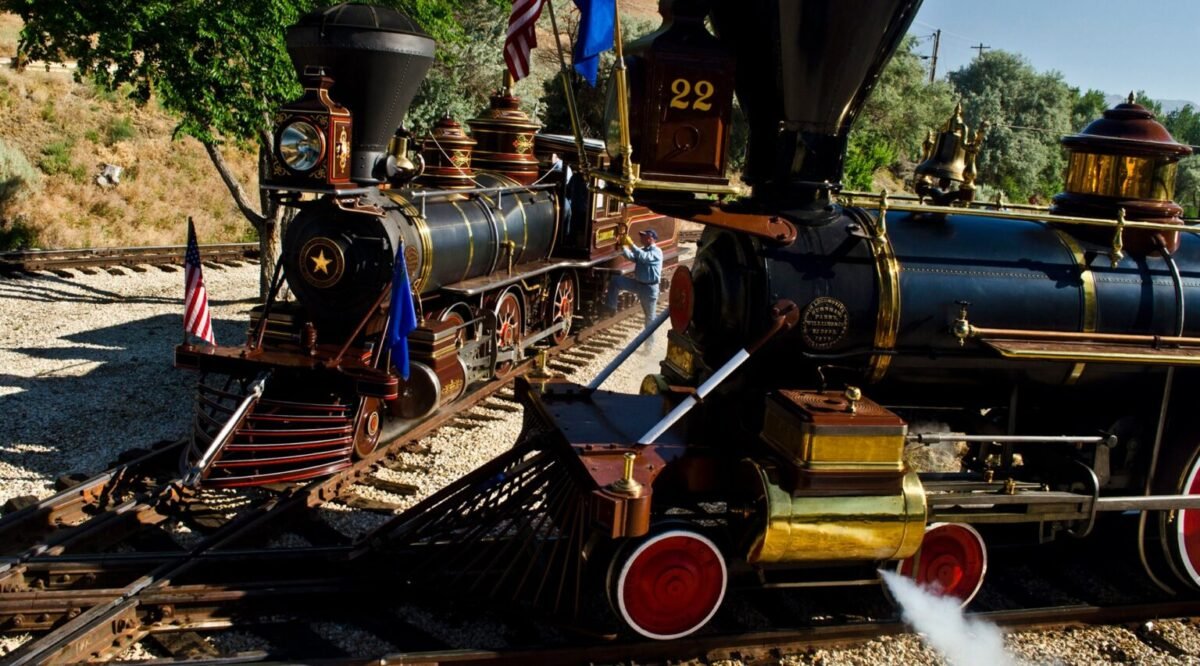
Nevada State Railroad Museum
A transportation heritage park located on the historical rail spur once utilized to stage structural concrete and machinery for the Hoover Dam project. The outdoor complex preserves historical diesel locomotives, industrial flatcars, and maintenance machinery alongside a dedicated indoor miniature layout room.
Best for families and rail transportation hobbyists.
Planning Notes:
- Active locomotive operations are restricted to select weekend schedules; check official online calendars prior to departure.
- The miniature layout room replicates the regional canyon topography and historic rail track alignments on a reduced scale.
- Outdoor tracking lanes feature unshaded ballast rock and hard-packed dirt pathways.
- ADA Information: The interior exhibit rooms feature flush thresholds; boarding the weekend excursion trains requires navigating step-free, wheelchair-accessible passenger lifts managed by depot staff.
Primm–Jean–Goodsprings Museum Guide
Seven Magic Mountains
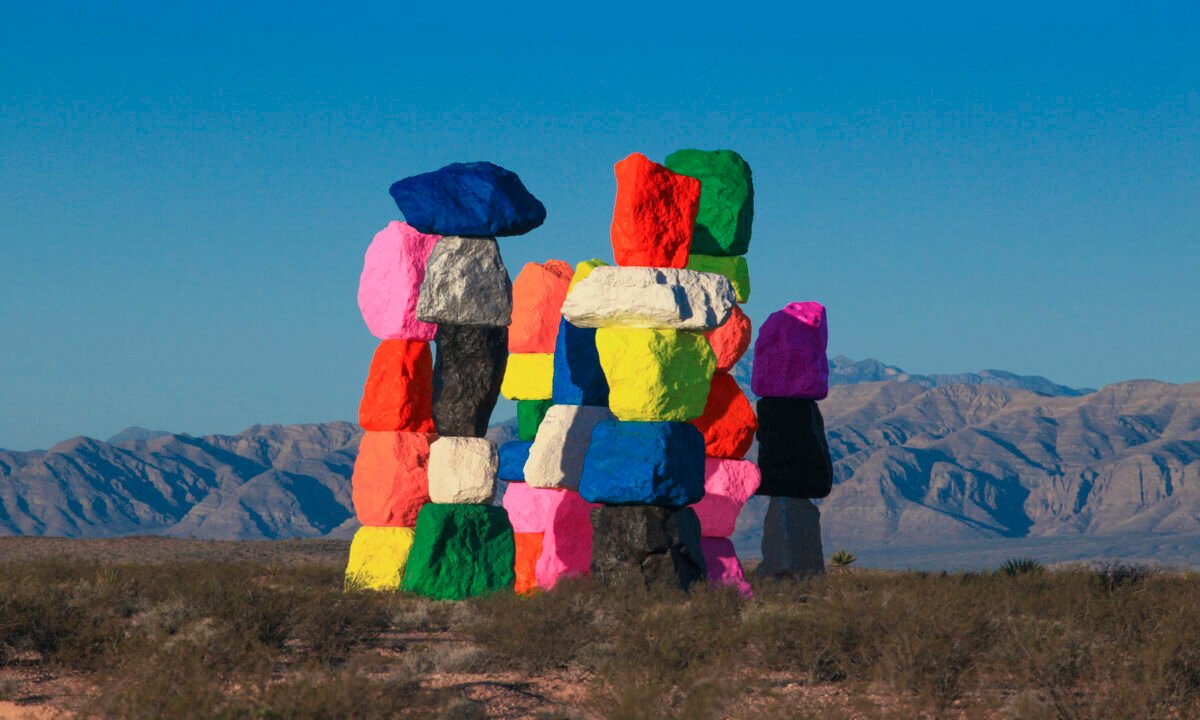
A modern site-specific public art installation comprising seven vertical columns of stacked limestone boulders extending over 30 feet in height. Located within the Ivanpah Valley, the structural columns utilize stones quarried directly from the neighboring mountain ranges to anchor contemporary art to the high-desert landscape.
Best for road-trippers and contemporary art enthusiasts.
Planning Notes:
- The site features zero public facilities, shade awnings, or water infrastructure; conclude visits prior to 10:00 AM to avoid extreme solar exposure.
- Professional photography crews utilizing commercial tri-pods or standalone lighting arrays must secure permits prior to arrival.
- The access pathway consists of unpaved, hard-packed desert soils susceptible to localized blowing dust.
- ADA Information: A flat, unpaved gravel trail leads from the parking apron to the base of the stone towers; the path surface remains firm but lacks asphalt paving.
Pioneer Saloon & Goodsprings Ghost Town
A historical preservation site centered around a 1913 stamped-tin commercial saloon structure and the surrounding architectural foundations of the original mining townsite. The interior space serves as an informal repository for early 20th-century mining ledgers, structural artifacts, and localized search records.
Best for Western history researchers and desert travelers.
Planning Notes:
- The interior walls house the historical air crash search records and original telegram sheets from the 1942 regional recovery operations.
- The surrounding outdoor ruins are accessible via unpaved dirt walkways containing loose gravel and desert vegetation.
- The Goodsprings basin resides within a permanent cellular network dead zone; pre-load mapping routes before leaving Interstate 15.
- ADA Information: The historic saloon features a structural wooden entrance ramp; interior flooring consists of aged hardwood planks that may feature minor surface variations.
Moapa Valley Museum Guide
Lost City Museum
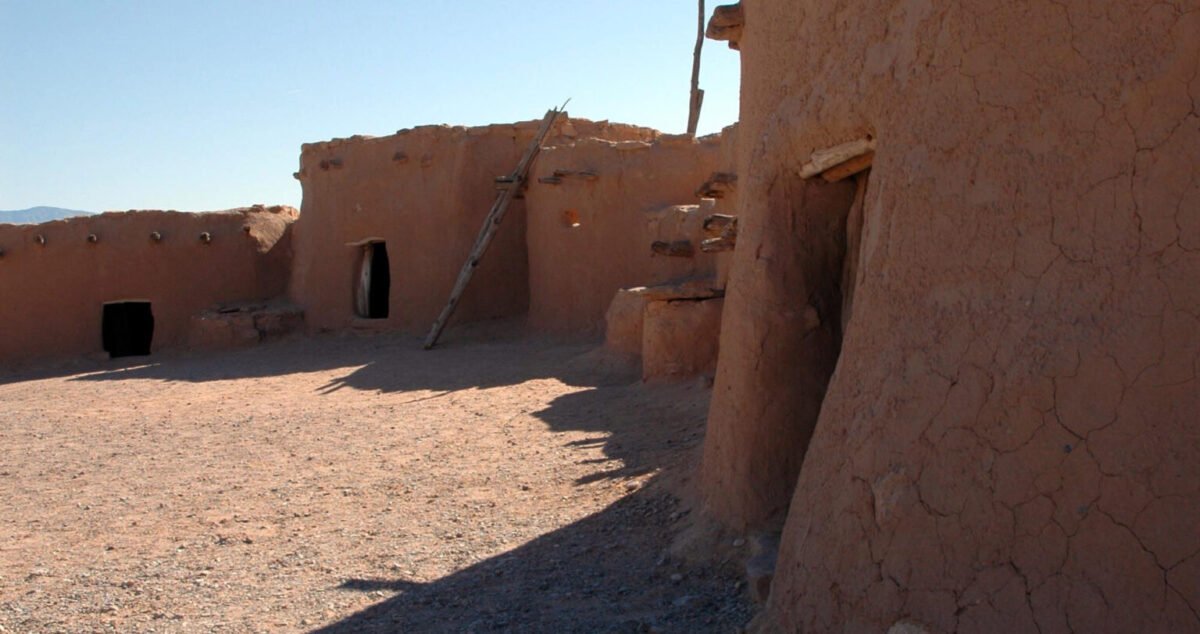
A specialized archaeological museum built directly over a prehistoric Ancestral Puebloan residential site. The facility safeguards material artifacts, including ceramic vessels and bone tools, recovered from local valley excavations prior to the filling of the Lake Mead reservoir.
Best for archaeology enthusiasts and educational groups.
Planning Notes:
- The rear interior gallery contains a viewing section displaying original, undisturbed prehistoric excavation soil columns.
- The exterior museum grounds house re-created adobe pit houses modeled after original indigenous living dimensions.
- Secure admission passes at the main entryway; group tours require advanced digital coordination.
- ADA Information: The primary indoor museum galleries utilize single-level polished flooring and wide viewing aisles; entering the exterior reconstructed pit houses requires ducking through narrow, low-clearance timber entry paths.
Mesquite Museum Guide
Donkey History Museum
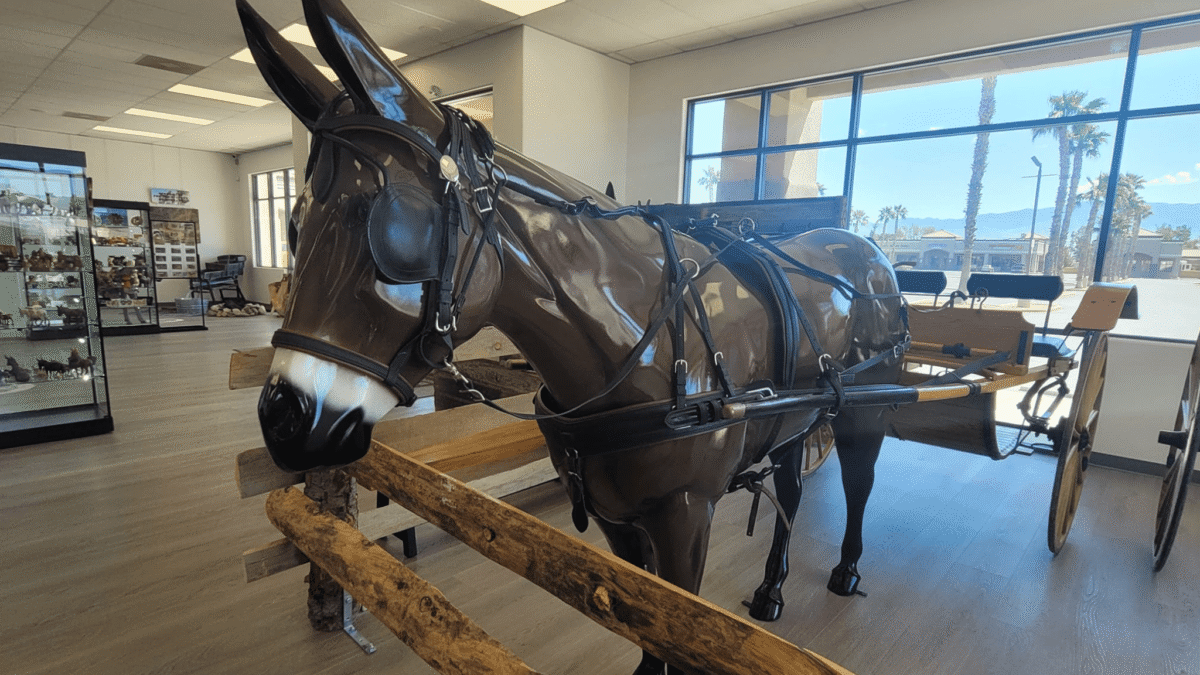
A specialized animal advocacy archive and historical gallery containing seven distinct exhibition rooms, an on-site documentary theater, and a public veteran tribute installation known as the Wall of Heroes. Exhibits document the global domestication, agricultural usage, and military pack deployment of burros and mules to outline their contribution to national infrastructure expansion.
Best for families and historical researchers.
Planning Notes:
- The facility houses an operational wooden water tower and interactive mineral sluice where participants can pan through sand mixtures to isolate semi-precious stones.
- Advanced group tours are available for scheduling between 9:00 AM and 2:00 PM, Monday through Saturday.
- The entire museum complex operates as a climate-controlled indoor facility, providing a low-temperature retreat from afternoon desert heat.
- ADA Information: Located within a level strip mall plaza featuring wide entry alcoves and automatic sliding doors; interior gallery rows are single-level carpeted floors with wide clear aisles for mobility aids.
Virgin Valley Heritage Museum
A local historical archive housed within a 1940s Pueblo-style structure constructed from locally quarried Virgin River sandstone blocks. The museum preserves early agricultural implements, municipal logging items, and the territory’s original telegraph receiver to document the pioneer ranching history of the valley.
Best for regional history researchers.
Planning Notes:
- The thick structural sandstone walls provide significant thermal insulation, lowering internal temperatures naturally during summer heat events.
- Street parking lots are located immediately outside the main park perimeter walkway.
- Exhibits feature clear printed labels explaining the mechanical operation of pioneer processing tools.
- ADA Information: The single-story facility features flat, level transitions from the paved exterior sidewalks directly into the main exhibition room.
Laughlin Museum Guide
Don Laughlin's Classic Car Museum
A rotating collection of more than 80 vehicles spread across two exhibit spaces inside Don Laughlin’s Riverside Resort Hotel & Casino, assembled from private collections, including several vehicles owned by the founder and namesake of the resort. A smaller first-floor display near the main valet entrance features desert-racing machines and off-road vehicles, while the larger Classic Auto Exhibition Hall occupies roughly 30,000 square feet on the third floor of the South Tower with a glass curtain wall overlooking the Colorado River. Vehicles span every era, from a 1915 Ford Model T Speedster to a 1930 Ford Model A restored to factory specifications and a 1956 Chevrolet Bel Air.
Best for automotive and collector car enthusiasts.
Planning Notes:
- Last admission is sold roughly 30 minutes before closing.
- Exhibits rotate; individual vehicles should not be assumed to be on display on every visit.
- Ask at the entrance about vehicles currently offered for sale; the collection has historically provided a printed list.
- ADA Information: Both exhibit areas sit on level flooring, with elevator access to the third-floor hall.
Colorado River Historical Society Museum
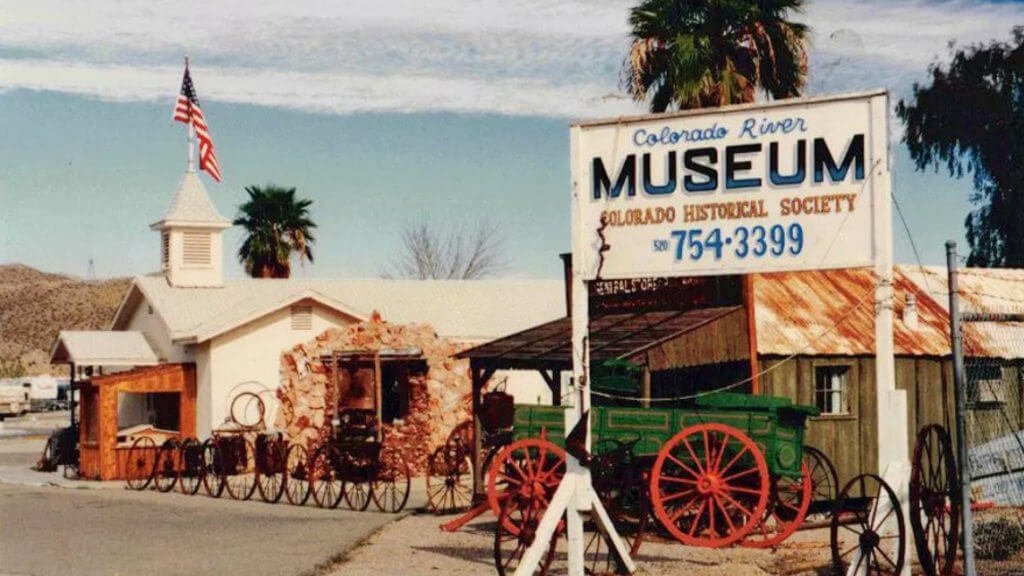
A regional history center located within a historic 1940s building originally utilized as a construction social club for the Davis Dam engineering workforce. Exhibits focus on the steamboat navigation era, indigenous Mojave beadwork designs, and the mid-century engineering projects that modified the flow of the Colorado River.
Best for river history researchers and maritime hobbyists.
Planning Notes:
- The rear outdoor perimeter features an elevated geographic overlook providing direct views of the active river currents.
- The museum operates on limited seasonal hours; verify active morning openings before leaving the main casino corridor.
- Combine the visit with a walk through the adjacent Davis Dam public park trails.
- ADA Information: The facility features flat exterior ramps and single-level indoor viewing paths; public parking spaces are paved and connect directly to the entry gate.
Regional Partners
See more of our local insights and trip-planning resources, or explore the official sites of our regional partners:
Adventure Photo Tours
Lorem ipsum dolor sit amet, consectetur adipiscing elit. Ut elit tellus, luctus nec ullamcorper mattis, pulvinar dapibus leo.